
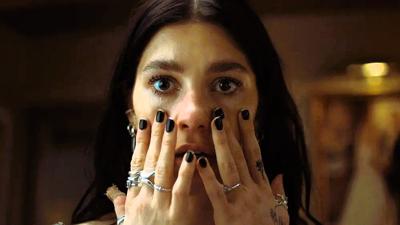

Netflix's "Something Very Bad Is Going to Happen" is a psychological horror-thriller centered on a couple heading toward their wedding while an ominous sense of dread builds around them. It’s getting buzz because it sits right at the intersection of trendy psychological horror, relationship drama and social-media conversation fuel.
Despite a title that promises immediate dread, Something Very Bad Is Going to Happen unfolds at a stubbornly deliberate pace. This is a mood-driven thriller that leans heavily on tension, silence, and emotional discomfort rather than plot momentum. At its best, the film creates a constant sense that something is wrong long before anything actually happens.
Some other Chicago Star stories you might like:
• What makes Crying Tiger so special?
• Navy Pier named official launch point of Route 66
• Why CAMP Chicago is the Disneyland of Lincoln Park
From the opening scenes, unease hangs in the air. Conversations feel loaded, pauses feel intentional, and the approaching wedding at the center of the story becomes a ticking clock. The film excels at atmosphere. Small details, strained interactions, and subtle clues build a creeping sense of dread. You can feel the characters avoiding truths they don’t want to face.
Where the movie struggles is pacing. The middle act stretches the mystery to the breaking point, circling the same emotional territory without significant escalation. Instead of tension rising, it stalls. Hints pile up but answers remain distant, and the promised catastrophe feels perpetually postponed. What begins as suspense gradually risks turning into impatience.
The performances keep the story grounded. The central couple convincingly portray two people caught between doubt and denial. Their chemistry makes the relationship believable, even when the narrative slows. Still, the screenplay relies so heavily on ambiguity that it sometimes feels like information is being withheld simply to prolong the mystery.
The Wedding Twist Explained
The film finally delivers its payoff at the wedding, reframing everything that came before. The “very bad thing” isn’t a sudden disaster. It’s the relationship itself. Throughout the story, both partners sense red flags. They notice tension, secrets, and warning signs, yet continue moving toward marriage. The ceremony becomes a symbol of choosing comfort over truth.
The ending supports two interpretations:
Psychological reading:
The horror is emotional and existential. The couple knowingly commits to a future they already fear. The wedding represents denial made permanent. The “bad thing” is the conscious decision to ignore reality and lock themselves into a life built on avoidance.
Literal thriller reading:
Clues throughout the film suggest deeper manipulation. One partner may have quietly engineered events to ensure the wedding happens. In this version, the marriage becomes a psychological trap, the final step in a long plan built on secrecy and control.
The film deliberately refuses to confirm which interpretation is correct. That ambiguity is the point.
Why the Ending Works — and Frustrates
The twist is clever because it reveals the catastrophe was inevitable all along. The characters weren’t trying to stop it; they were trying not to see it. However, the slow buildup softens the impact. By the time the reveal arrives, it feels more thoughtful than shocking. The concept is strong and unsettling, but the long journey to reach it may test viewers’ patience. In the end, the film succeeds as a study of denial and dread, even if its slow burn risks burning out before the final spark.




(0) comments
Welcome to the discussion.
Log In
Keep it Clean. Please avoid obscene, vulgar, lewd, racist or sexually-oriented language.
PLEASE TURN OFF YOUR CAPS LOCK.
Don't Threaten. Threats of harming another person will not be tolerated.
Be Truthful. Don't knowingly lie about anyone or anything.
Be Nice. No racism, sexism or any sort of -ism that is degrading to another person.
Be Proactive. Use the 'Report' link on each comment to let us know of abusive posts.
Share with Us. We'd love to hear eyewitness accounts, the history behind an article.