
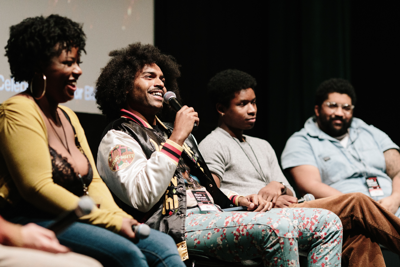

The Black Harvest Film Festival returns to Chicago for its 32nd annual celebration of Black cinema, bringing together filmmakers, artists and audiences for 10 days of storytelling, cultural exploration and conversation.
Presented by the Gene Siskel Film Center of the School of the Art Institute of Chicago (SAIC), the exhibition will run from Friday, Nov. 6, through Sunday, Nov. 15, at the Gene Siskel Film Center, 164 N. State St. This year's program features more than 75 films representing 18 countries, including 60 Chicago premieres, nine feature-length productions and 10 short-film programs, according to the event’s website.
More than 50 filmmakers are expected to participate in screenings, discussions and special appearances throughout the festival, giving audiences opportunities to engage directly with the creative minds behind the featured productions.
Subscribe to Chicago Star’s Weekly City Buzz Newsletter
Opening night on Friday, Nov. 6 will feature a showcase of short films, hosted by NBC Chicago anchor Evrod Cassimy and Chicago arts and culture reporter LeeAnn Trotter. The evening will also include the presentation of the Richard and Ellen Sandor Family Black Harvest Film Festival Prizes, followed by a reception celebrating participating filmmakers.
Some of this year's major attractions include “From the Block,” a collection of short films by Chicago filmmakers exploring the city's neighborhoods, cultural identity and creative communities; “Black Panther,” a 1968 archival short featuring the Black Panther Party; and “The Sight Unseen,” a 2026 hybrid documentary by Chicago filmmaker Shawn Antoine II that examines faith, family, memory and community across generations.
The festival will also showcase a number of feature-length films. Highlights from the programming include “Once Upon a Time in Harlem,” which presents rare archival footage of a 1972 meeting of artists at Duke Ellington's NYC townhome; “Dreams in Nightmares,” about three friends who embark on an impromptu cross-country road trip; and “Voices of God,” which explores the Akan and Yoruba religious practices in the United States.
One of the premier showings of the festival will be “If I Go Will They Miss Me?,” directed by Walter Thompson-Hernández. Set in Los Angeles' Watts neighborhood, the magical-realist feature follows a young Black father and his imaginative son as they navigate grief, housing insecurity and the importance of community.
Thompson-Hernández will attend a screening and participate in an audience discussion. He will also receive the 2026 Black Harvest Visionary Award in recognition of his artistic contributions to contemporary Black cinema.
Read more on Chicago Star:
Lightscape returns to Chicago Botanic Garden with new installations
Illuminate 900 to celebrate 10 years of holiday magic on the Mag Mile
There's no place like home: The five quirkiest houses in Illinois
This year, the festival has increased its cash awards to encourage and support independent Black filmmaking. The Best Feature prize will award $5,000, up from $2,500, while the Best Short prize has increased to $2,500 from $1,000.
With its combination of international premieres, Chicago-based productions, historical documentaries, and filmmaker discussions, the 2026 Black Harvest Film Festival promises to offer audiences more than entertainment. It provides a platform for cultural exchange, artistic discovery, and meaningful conversations about the past, present, and future of Black communities.
Individual tickets and festival passes are available through the Gene Siskel Film Center and the official festival website, blackharvestfest.org.




(0) comments
Welcome to the discussion.
Log In
Keep it Clean. Please avoid obscene, vulgar, lewd, racist or sexually-oriented language.
PLEASE TURN OFF YOUR CAPS LOCK.
Don't Threaten. Threats of harming another person will not be tolerated.
Be Truthful. Don't knowingly lie about anyone or anything.
Be Nice. No racism, sexism or any sort of -ism that is degrading to another person.
Be Proactive. Use the 'Report' link on each comment to let us know of abusive posts.
Share with Us. We'd love to hear eyewitness accounts, the history behind an article.