
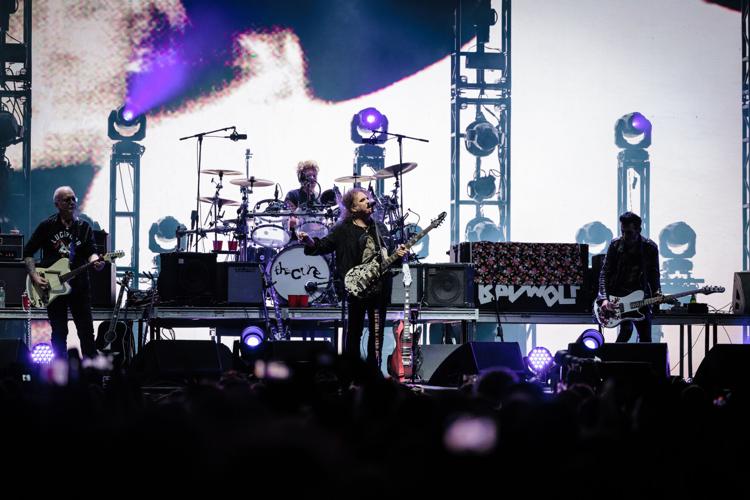


The Cure performs to a packed crowd in the final set of Riot Fest | Photo courtesy of Riot Fest
Riot Fest returned to Chicago’s Douglass Park this past weekend, bringing three days of rock 'n’ roll to the Windy City. Artists including The Cure, Queens of the Stone Age, and more drew over 50,000 attendees daily from across Chicagoland and the nation.
A Chicago tradition since 2005, Riot Fest is a celebration of rock music and alternative culture in all its forms. Festival goers represent generations of music lovers, thrill seekers, and all those who embrace individuality.
Riot Fest has occupied Douglass Park on the Lower West Side each year since 2015. The three-day festival boasts dozens of acts representing subgenres like punk, hardcore, ska, metal, and alternative rock. The festival also features carnival rides, food and drink vendors, retail and band merchandise, live wrestling, and skateboarding.

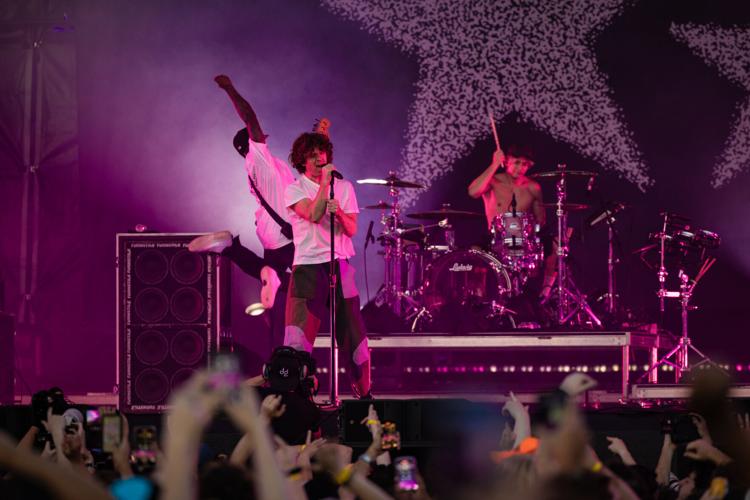
Turnstile rocks Riot Fest | Photo courtesy of Riot Fest
Festivities kicked off on Friday, September 15, as guests excitedly poured into Douglass Park, waiting in long lines to catch the first performances of the weekend. Legends like Kim Gordon and The Breeders took the stage early, while Baltimore punk sensation Turnstile rocked the park as dusk fell.
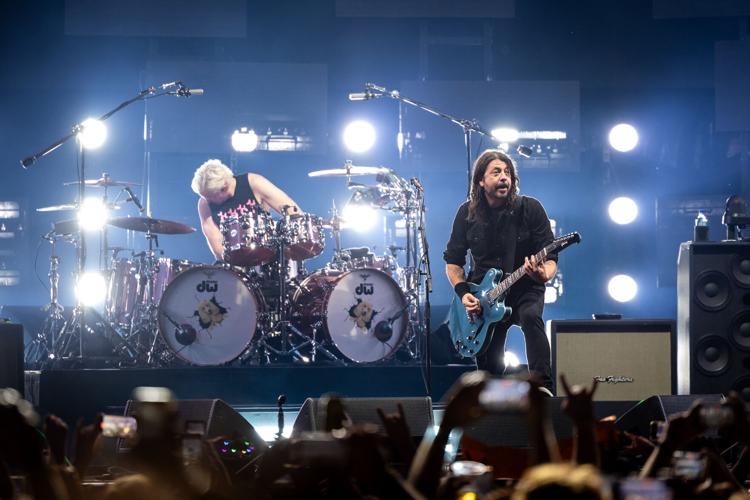
Come nightfall, rock royalty Foo Fighters took over the festival's main stage for the focal performance of the day. Frontman Dave Grohl entertained the masses with hits like “Pretender” and “Learn to Fly,” encouraging guests to sing along to their favorite rock anthems.

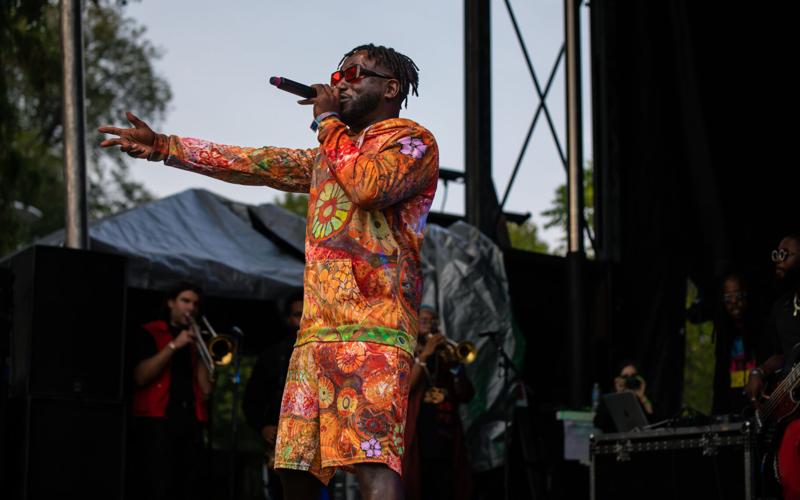
Chicago native Hannibal Buress, a.k.a Eshu Tune makes his Riot Fest debut | Photo courtesy of Riot Fest
The festival carried on Saturday, marked with headlining sets by Queens of the Stone Age, Death Cab for Cutie, and The Postal Service. Saturday also saw performances by familiar Hollywood faces like Chicago native Hannibal Buress, a.k.a Eshu Tune, and actor-turned-musician Corey Feldman.

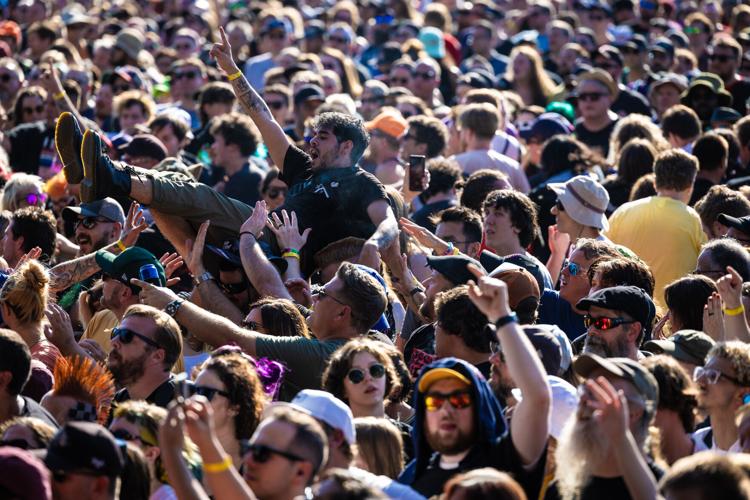
Crowd surfer at Riot Fest 2023 | Photo courtesy of Riot Fest
Heavy rains forced the festival to open two hours late on Sunday, with events resuming at 2 p.m. once conditions had improved. Some acts, unfortunately, had their sets canceled, but the rain delay proved to be little more than a hiccup as fans still turned out in droves for a final day of revelry.
Sunday’s showcases finally began with early performances by Texas prog rock heroes The Mars Volta and Boston Cabaret outfit The Dresden Dolls.
As the day ended, Riot Fest peaked with a two-hour set by legendary goth rock trailblazers The Cure. The group garnered one of the festival's largest crowds, playing classic hits like “Love Song” and “Boys Don’t Cry” in a climactic closing ceremony.

The Cure performs to a packed crowd in the final set of Riot Fest | Photo courtesy of Riot Fest
In recent years, Riot Fest has faced contentious debate over its contributions to the local community and use of public land. The festival occupies roughly a third of Douglass Park each year, rendering a large section closed off to the public and drawing ire from some neighbors.
With resident concerns in mind, festival organizers made a concerted effort this year to support the Lower West Side community by displaying ads for local businesses and encouraging crowds to eat locally. Riot Fest also generates thousands in revenue for the local economy, and gives back with charitable community donations, an annual clothing drive, and a local job fair.




(0) comments
Welcome to the discussion.
Log In
Keep it Clean. Please avoid obscene, vulgar, lewd, racist or sexually-oriented language.
PLEASE TURN OFF YOUR CAPS LOCK.
Don't Threaten. Threats of harming another person will not be tolerated.
Be Truthful. Don't knowingly lie about anyone or anything.
Be Nice. No racism, sexism or any sort of -ism that is degrading to another person.
Be Proactive. Use the 'Report' link on each comment to let us know of abusive posts.
Share with Us. We'd love to hear eyewitness accounts, the history behind an article.