

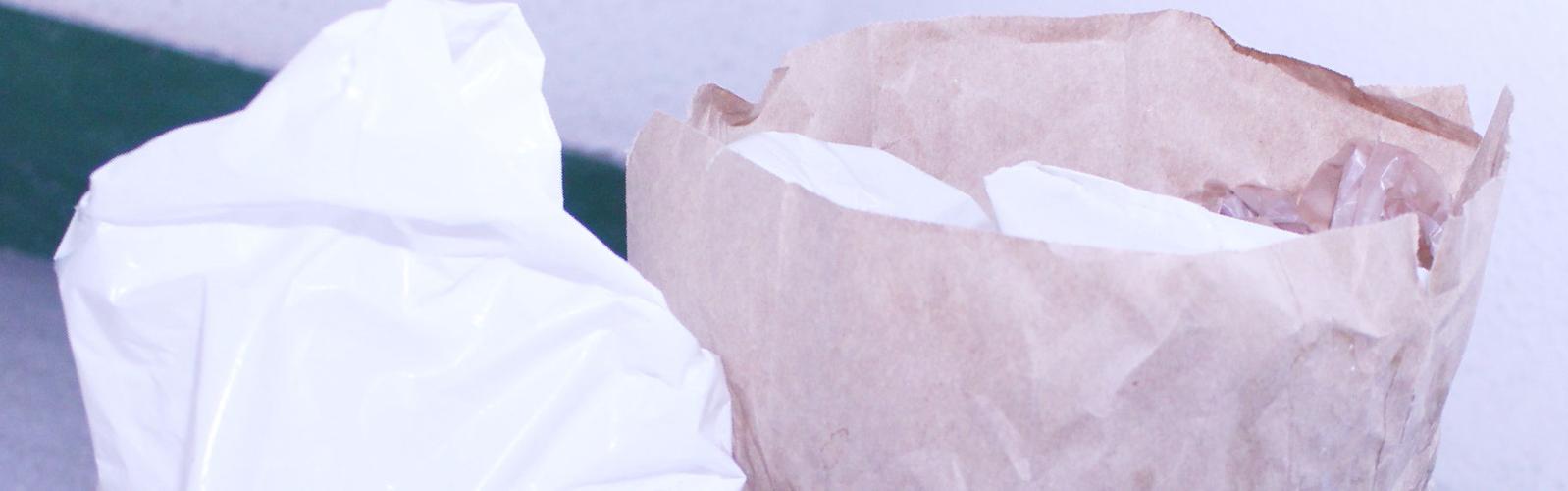

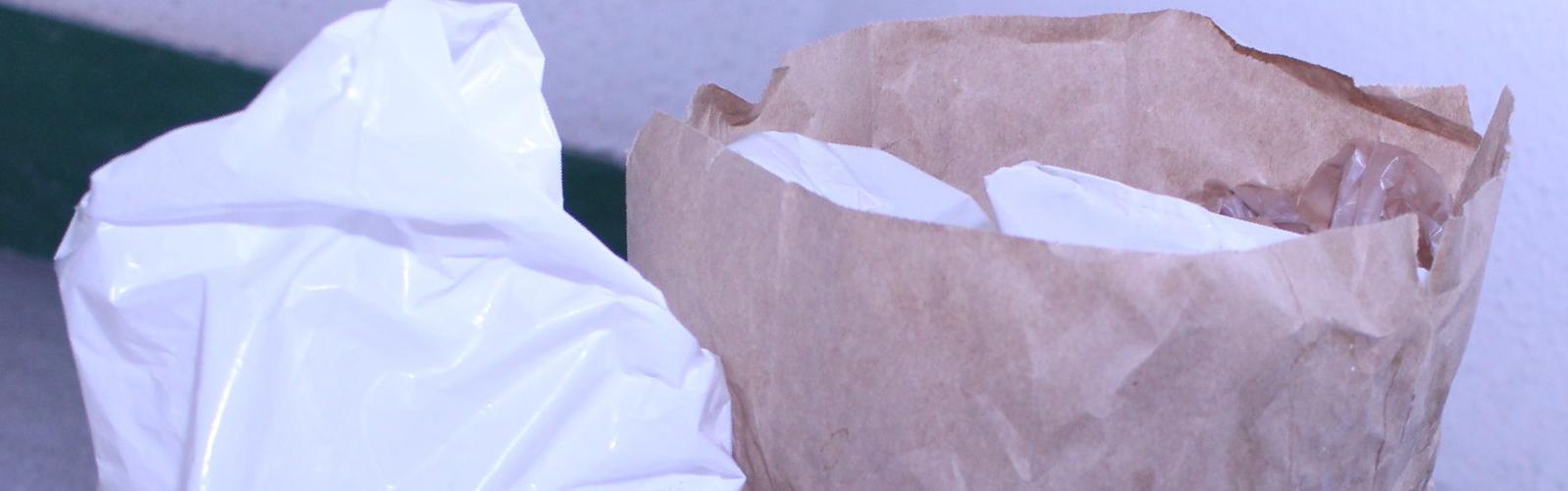
Returning to O’Hare from a recent trip to St. Louis, I expected to be stopped by the authorities any second. You see, I had contraband in my carryon. Small, lightweight, and folded inside one another, the items in question are no longer available at Target, CVS, or the Lakeshore East Mariano’s. This is why I feel the need to replenish my stockpile, gathering up lightweight, single-use plastic bags from the pile kept by my mother in her suburban garage.
As I unpacked my suitcase and placed a single-use plastic bag in the small trash can, I was reminded yet again just how ill-conceived Chicago’s now seven-month-old plastic bag ban seems to be.
Put forth as a bill by Ald. Joe Moreno and passed by a 36-10 vote in the city council, the law went into effect August 1, 2015, forbidding chain stores of 10,000 square feet or more from doling out single-use plastic bags. Smaller chain stores have until August 2016 to phase them out; small businesses and restaurants are exempt. Chicago is one of more than 100 U.S. cities to have banned the bags in recent years, in hopes of encouraging consumers to adopt reusable bags.
Not only does this ban appear to be riddled with confusion, it infringes on the rights of businesses and consumers to choose how to transport their goods. This ban might also literally be making us sick to our stomachs. According to studies by Loma Linda University and the University of Arizona, reusable bags tested positive for E. coli, salmonella, and coliform bacteria. The largest problem comes from cross-contamination. By reusing a bag without sanitizing it between uses, which the studies found 97% of consumers do not do, foods are allowed to contaminate the bag which then cross-contaminates the next purchase. It is recommended that meat purchases be bagged separately in-you guessed it-plastic, before being placed into the reusable bags. Sanitizing reusable bags with chlorine bleach and regularly washing them in a washing machine, making sure they are thoroughly dried, is the best way to fight the bacteria.
Another aspect that’s galling about throwing plastic bags under the bus is that the light, strong, waterproof bags are so useful. Many consumers reuse plastic bags for other purposes, such as containing sweaty gym clothes, packing shoes in luggage, and picking up dog waste, to name just a few.
In the scheme of problems, plastic bags do not rank among the largest concerns that the city faces. Seven months into the ban, a post-bag society doesn’t seem that far off. A trip to Whole Foods, where I had purchased a half-dozen items without a reusable bag, found me facing the question, “Do you need a bag today?”




(0) comments
Welcome to the discussion.
Log In
Keep it Clean. Please avoid obscene, vulgar, lewd, racist or sexually-oriented language.
PLEASE TURN OFF YOUR CAPS LOCK.
Don't Threaten. Threats of harming another person will not be tolerated.
Be Truthful. Don't knowingly lie about anyone or anything.
Be Nice. No racism, sexism or any sort of -ism that is degrading to another person.
Be Proactive. Use the 'Report' link on each comment to let us know of abusive posts.
Share with Us. We'd love to hear eyewitness accounts, the history behind an article.