
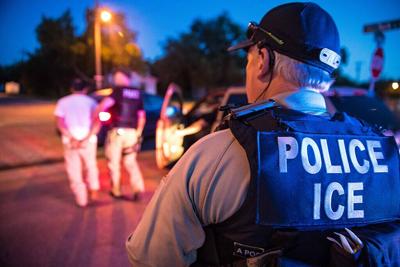

The US Supreme Court has granted the Trump administration's request to resume ICE roving patrols in Southern California, according to CNN. This controversial decision allows immigration officers to continue operations that critics argue may violate constitutional rights. The ruling, issued on Monday, reverses lower court findings that deemed the patrols likely infringed on the Fourth Amendment, as reported by CNN.
This decision affects seven counties in the Los Angeles area but holds broader implications for immigration enforcement nationwide, says CNN. Justice Brett Kavanaugh, representing the conservative majority, highlighted the "totality of circumstances" approach—a perspective permitting brief detentions based on various factors, including ethnicity and behavior patterns, the LAist noted. According to Kavanaugh in this report, these factors can contribute to establishing “reasonable suspicion of illegal presence” when considered alongside other observations.
“To be clear, apparent ethnicity alone cannot furnish reasonable suspicion; under this court’s case law regarding immigration stops, however, it can be a ‘relevant factor’ when considered along with other salient factors,” Kavanaugh stated in his concurrence, CNN reported.
Read More on Chicago Star
- California judge says Trump violated Posse Comitatus Act, deeming National Guard use illegal
- Florida Surgeon General Joseph Ladapo proposes ending vaccine mandates in state schools
- Radiohead’s announcement of first tour in seven years garners unexpected controversy
- Global fashion icon Giorgio Armani dies at 91, but his legacy will live on
Criticism and concerns
Justice Sonia Sotomayor, dissenting with Justices Elena Kagan and Ketanji Brown Jackson, expressed worries about civil liberties being compromised. "'We should not have to live in a country where the government can seize anyone who looks Latino, speaks Spanish, and appears to work a low wage job,'" she wrote, highlighting the potential misuse of authority, as reported by CNN. Concerns were also raised about the administration's tactics and the potential chilling effect on immigrant communities, as deterred by the American Civil Liberties Union.
This ruling forms part of a series of emergency appeals by the Trump administration upheld by the Supreme Court. The LAist noted that critics argue this system, often used without oral arguments, undermines thorough judicial review. Meanwhile, proponents assert it empowers federal agents to efficiently enforce immigration laws in high-density areas of undocumented immigrants. The debate continues, raising essential questions about national policy and civil rights.




(0) comments
Welcome to the discussion.
Log In
Keep it Clean. Please avoid obscene, vulgar, lewd, racist or sexually-oriented language.
PLEASE TURN OFF YOUR CAPS LOCK.
Don't Threaten. Threats of harming another person will not be tolerated.
Be Truthful. Don't knowingly lie about anyone or anything.
Be Nice. No racism, sexism or any sort of -ism that is degrading to another person.
Be Proactive. Use the 'Report' link on each comment to let us know of abusive posts.
Share with Us. We'd love to hear eyewitness accounts, the history behind an article.