


After three people died from hantavirus on a cruise ship earlier this month, fear of catching the virus has spread quickly across the globe. Experts have begun to weigh in to help calm the public, and there’s good news for those in Illinois.
According to NBC Chicago, a hantavirus infection strikes rarely in Illinois. Health officials are continuing to track these rodent-borne viruses closely, and it seems that the risk remains very low for most residents.
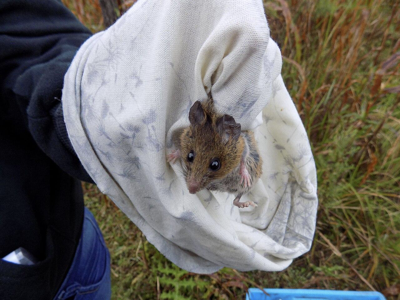
Humans catch hantavirus mainly by breathing dust laced with urine, droppings or saliva from infected rodents, the World Health Organization (WHO) confirms. Bites from carriers like the deer mouse can spread it too. Touching contaminated material, then the eyes, nose or mouth, raises danger, as does eating tainted food.
Subscribe to Chicago Star’s Weekly City Buzz Newsletter
How transmission happens
Cleaning rodent-infested sites without care stirs virus particles into the air. A Winnebago County resident recently fell ill this way, cleaning a home with droppings, NBC Chicago noted in its report. That case, unlinked to cruise ship outbreaks, involved a North American strain not spread person-to-person.
Illinois has seen few cases since 1993, according to Block Club Chicago. One death occurred in 1996 from high rodent exposure on a farm. A 2005 Kankakee County case survived after greenhouse work. In 2012, an Iroquois County patient recovered post-structure cleanup.
Symptoms and vulnerabilities
Hantavirus pulmonary syndrome (HPS) brings fever, headache, muscle aches, nausea, and shortness of breath, the WHO states on its website. Symptoms mimic flu or pneumonia. They appear in days to six weeks.
Rural dwellers face higher odds in dusty, rodent-heavy areas. Hikers, campers, and cleanup crews in closed buildings like vacation cabins should also use caution. Even healthy people risk severe illness if exposed.
Read more on Chicago Star
Tragic loss shocks NBA as Memphis Grizzlies forward Brandon Clarke passes at 29
Buckingham Fountain in Grant Park springs to life for the summer 2026 season
Progress in the life expectancy gap passes pre-pandemic levels for Black Chicagoans
Michelin-starred duo expands with new venture All Well in Chicago’s West Loop
The end of an era: Ted Turner, CNN founder and media pioneer, dies at 87
Prevention steps
Experts warn people to keep buildings rodent-free. The WHO says to wet droppings before sweeping to cut dust, and also to use gloves and disinfectants while avoiding vacuuming.
"Hantavirus infections are rare, but they are not new or unheard of in the U.S., including Illinois," the Illinois Department of Public Health said, NBC Chicago. Public health teams continue to monitor steadily. The current threat to communities remains very low.
Since 1993, only six to eight cases have hit Illinois, per records. NBC Chicago reported that nationally, 890 cases occurred. Officials confirm no U.S. person-to-person spread.




(0) comments
Welcome to the discussion.
Log In
Keep it Clean. Please avoid obscene, vulgar, lewd, racist or sexually-oriented language.
PLEASE TURN OFF YOUR CAPS LOCK.
Don't Threaten. Threats of harming another person will not be tolerated.
Be Truthful. Don't knowingly lie about anyone or anything.
Be Nice. No racism, sexism or any sort of -ism that is degrading to another person.
Be Proactive. Use the 'Report' link on each comment to let us know of abusive posts.
Share with Us. We'd love to hear eyewitness accounts, the history behind an article.