


Chicago career changers now meet nursing through two pressures at once: Hospitals need licensed staff, and adults with degrees want routes that respect time already spent in college. The U.S. Bureau of Labor Statistics reports a May 2025 median RN wage of $97,550. Its registered-nurse page projects 6% employment growth from 2025 to 2035 and about 180,800 openings each year. Those figures explain why nursing has become a serious second-career conversation.
An accelerated Bachelor of Science in Nursing serves people who already hold a degree in another subject. People often shorten the phrase to ABSN. The format compresses the academic path, but clinical practice still anchors the training. You learn care planning and assessment before licensure. The route attracts people who can bring work habits from business or science into health care. Sustained study still defines the choice.
Subscribe to Chicago Star's Weekly City Buzz Newsletter
Nursing demand is reshaping career change
Online study has changed how adults upskill while holding family duties and paid work in view. A Chicago graduate can compare programs from home before speaking with an adviser. Digital coursework can reduce campus travel during theory classes. Clinical learning still happens in person because nurses need supervised practice with real patient care. That mix explains why online accelerated nursing study attracts degree-holders who want a new professional route.
A Chicago career changer reviewing Elmhurst University can find an online accelerated BSN program in Illinois among its career-enhancing healthcare options. The program page describes a 16-month route for people with a prior bachelor’s degree. Students complete 60 credit hours. Clinical work reaches 450+ hours. The page also notes two on-campus residencies and clinical placement support. Those details help applicants judge pace before applying. A faster format can suit someone ready for a full-time commitment, but the calendar still has lab work and licensure preparation inside it.
Federal policy is supporting nursing pipelines
Federal policy has started to treat nursing pipelines as an access issue. The Emergency Nurses Association said the Senate HELP Committee approved the Title VIII Nursing Workforce Reauthorization Act in August 2026. The bill would reauthorize Title VIII programs for five more years. Its support package covers loan repayment and scholarships. Advanced practice training grants appear beside emergency department staffing help.
That policy debate affects applicants because cost can decide whether a career change stays possible. Scholarships reduce the amount a student needs to borrow. Loan repayment can help after graduation when a nurse serves in a qualifying setting. Academic demands remain in full. These supports can make the path more reachable for people who already carry rent and family costs. Prior student debt may add pressure.
Workforce gaps extend beyond major cities
The national picture adds pressure to local choices. HRSA projects a nationwide shortage of 108,960 full-time equivalent registered nurses by 2038. Its forecast also shows a larger RN gap in nonmetropolitan areas. HRSA projects an 11% shortage for those areas in 2038, compared with 2% in metropolitan areas. That gap should shape how future nurses think about place.
Chicago residents know regional movement. PBS aired a Chicago Tonight segment in which Trains Magazine editors explain why Chicago is America's railroad capital. That label fits a city built around routes and reach. Nursing careers work through the same practical geography. A graduate may train near home, then weigh suburban hospitals or underserved communities where demand feels more immediate.
Read more on Chicago Star
- Big spender: Willie Wilson purchases $5.2M Loop condo in fourth bid for Chicago mayor
- Chicago’s top expos in Fall 2026 to explore the future of robotics & AI in medicine
- Erling Haaland fans rejoice! Scandinavian Day Fest returns with Vikings & all things Nordic
- 35 years of scares: Six Flags Great America brings back Fright Fest with new terrors
An accelerated format requires deliberate planning
A shorter pathway appeals to prior degree-holders because it respects completed education. Someone who studied psychology or biology may already have part of the academic base. Someone from finance or teaching may bring discipline from another field. Nursing still demands a new body of knowledge. Faster study changes the calendar. Licensing still controls entry.
The BLS says registered nurses must graduate from an approved nursing program and hold a state license. The handbook also says all nursing education programs include supervised clinical experience. That sentence should slow any applicant down in a good way. Online coursework can carry lectures and assignments. Clinical training needs patients and supervisors. Sites must support safe learning.
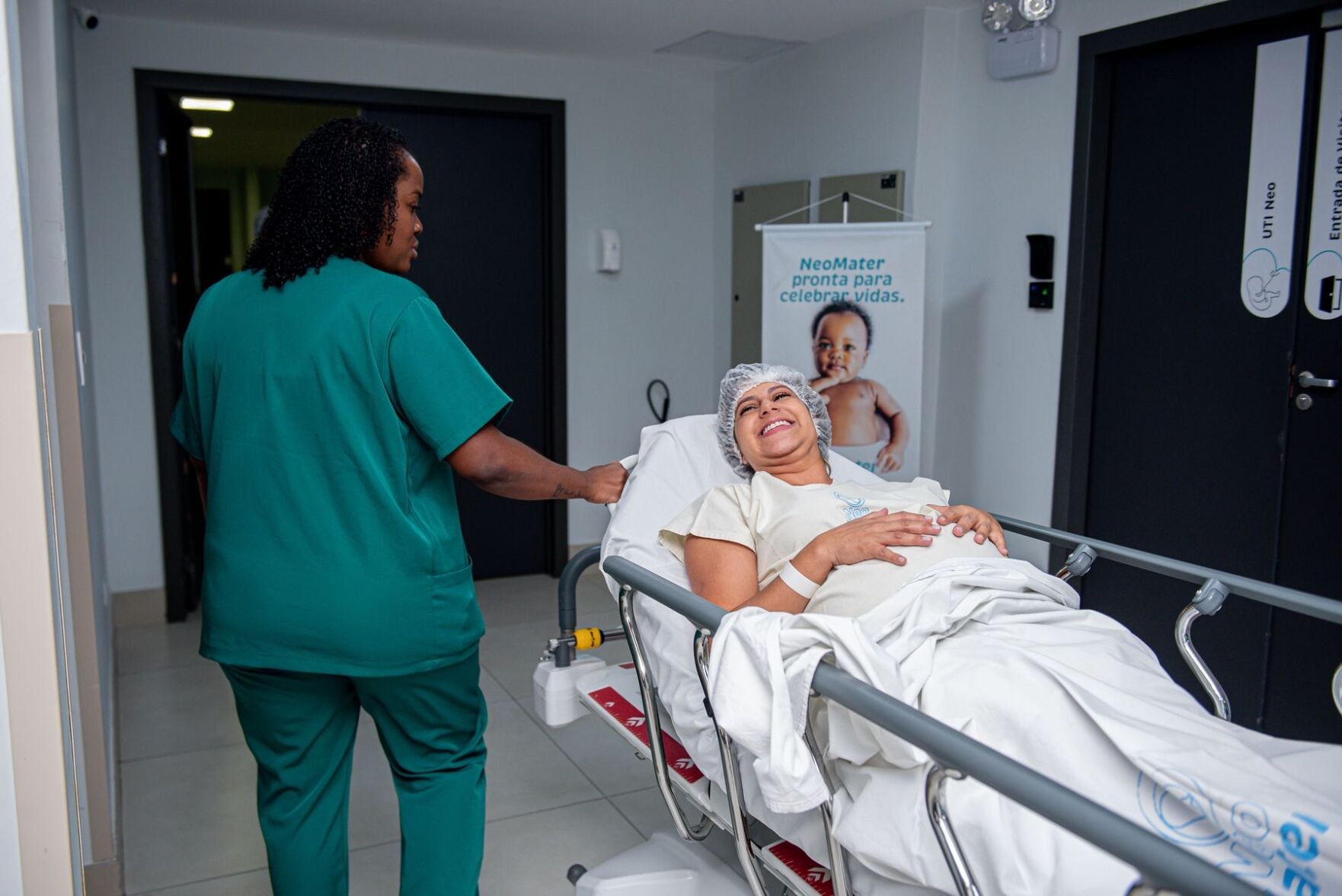
Photo by Pexels
Career changers need realistic preparation expectations
Practical questions should come early. Start with prerequisites. Then test the weekly study load against your actual life. Ask how clinical scheduling works. A fast program can feel appealing from a browser tab, but the daily routine decides whether the choice works. Chicago applicants should build a budget for tuition and travel. They should also protect time for reading and skills practice.
Illinois adds its own licensure steps after graduation. The Illinois Department of Financial and Professional Regulation lists a Registered Nurse Examination Application and an overview of the RN testing process. That official page reminds applicants that school and licensure form one sequence. Passing coursework begins the professional transition. The state still requires the proper application and examination route.
Education capacity remains a shared responsibility
Student motivation only answers part of the workforce problem. The American Association of Colleges of Nursing says U.S. nursing schools turned away 92,672 qualified applications in 2025 because of limits such as faculty shortages and clinical sites. AACN also reported 1,588 full-time faculty vacancies in a 2025 survey. Education capacity depends on instructors who can teach and workplaces that can host clinical learning.
Accelerated BSN pathways give career changers a credible route into registered nursing, but they work best inside a broader system. Public policy can fund training. Employers can support clinical placements. Universities can design programs with clear expectations. For a Chicago resident with a prior degree, the decision begins with ambition and ends with preparation. Nursing needs new entrants, and patients need graduates who arrive ready for the work.




(0) comments
Welcome to the discussion.
Log In
Keep it Clean. Please avoid obscene, vulgar, lewd, racist or sexually-oriented language.
PLEASE TURN OFF YOUR CAPS LOCK.
Don't Threaten. Threats of harming another person will not be tolerated.
Be Truthful. Don't knowingly lie about anyone or anything.
Be Nice. No racism, sexism or any sort of -ism that is degrading to another person.
Be Proactive. Use the 'Report' link on each comment to let us know of abusive posts.
Share with Us. We'd love to hear eyewitness accounts, the history behind an article.