
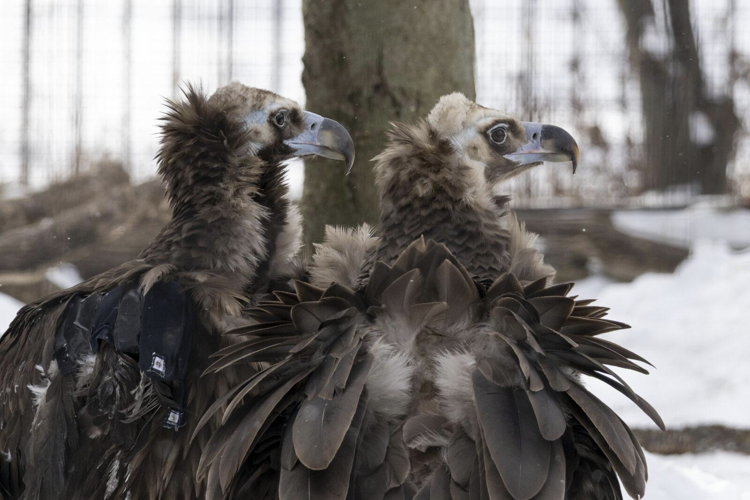
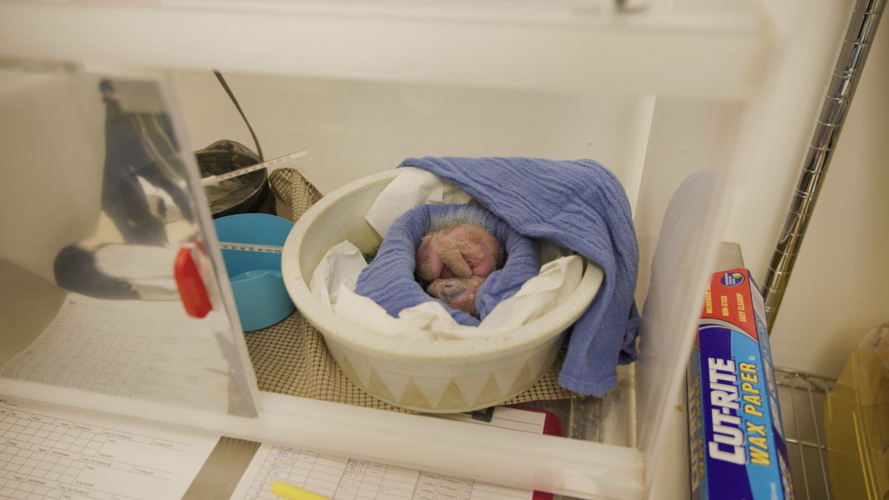

A cinereous vulture chick hatched at Lincoln Park Zoo on Thursday, May 7, marking the zoo’s first successful vulture birth in 13 years. According to the zoo’s announcement, the chick is the offspring of Virginia and Leon, the pair housed at Regenstein Birds of Prey.
Because the birds were first-time parents, the egg was kept in an incubator through hatching rather than left with the adults. Zoo staff confirmed it monitored the egg’s development using candling, a process that shines light through the shell in a dark room to reveal the embryo’s features.
Subscribe to Chicago Star’s Weekly City Buzz Newsletter
Veterinary staff also used radiographs to confirm the chick was positioned properly before it hatched. Animal Care staff are now looking after the chick before it moves to another Association of Zoos and Aquariums (AZA)-accredited institution, where an experienced foster vulture will raise it, the zoo confirmed.
Why the chick is leaving Lincoln Park Zoo
Zoo officials said the transfer is part of a broader effort to support both the chick and the species. By working together, AZA-accredited zoos can help provide the best care and strengthen the population of the birds in human care.
“While we’d love for Chicagoans to meet this vulture chick, we’re grateful to have a dedicated zoo community and the opportunity for this chick to be raised by fosters,” said Hope B. McCormick Curator of Birds Nicole Finch-Mason, according to Lincoln Park Zoo.

Photo by Lincoln Park Zoo
Read more on Chicago Star
Green tea lovers, rejoice! MatchaFest, world’s largest matcha festival, gears up for Chicago
Buckingham Fountain in Grant Park springs to life for the summer 2026 season
Michelin-starred duo expands with new venture All Well in Chicago’s West Loop
CAC River Cruise aboard First Lady named No. 4 in “Top U.S. Experiences” by TripAdvisor
The end of an era: Ted Turner, CNN founder and media pioneer, dies at 87
She said visitors can still see the parents, Virginia and Leon, at Regenstein Birds of Prey and learn more about the species. Lincoln Park Zoo said cinereous vultures have a range from Southern Europe to China and Southeast Asia.
The birds are among the largest and heaviest birds of prey, weighing up to 27 pounds and reaching wingspans of up to 10 feet, the zoo confirmed. The International Union for Conservation of Nature lists them as “Near Threatened,” with numbers declining because of less available food and direct human threats.




(0) comments
Welcome to the discussion.
Log In
Keep it Clean. Please avoid obscene, vulgar, lewd, racist or sexually-oriented language.
PLEASE TURN OFF YOUR CAPS LOCK.
Don't Threaten. Threats of harming another person will not be tolerated.
Be Truthful. Don't knowingly lie about anyone or anything.
Be Nice. No racism, sexism or any sort of -ism that is degrading to another person.
Be Proactive. Use the 'Report' link on each comment to let us know of abusive posts.
Share with Us. We'd love to hear eyewitness accounts, the history behind an article.